LINQ makes sense of your business
From process chaos to clarity — with the power of data-driven modelling.
*No credit card required
From process chaos to clarity — with the power of data-driven modelling.


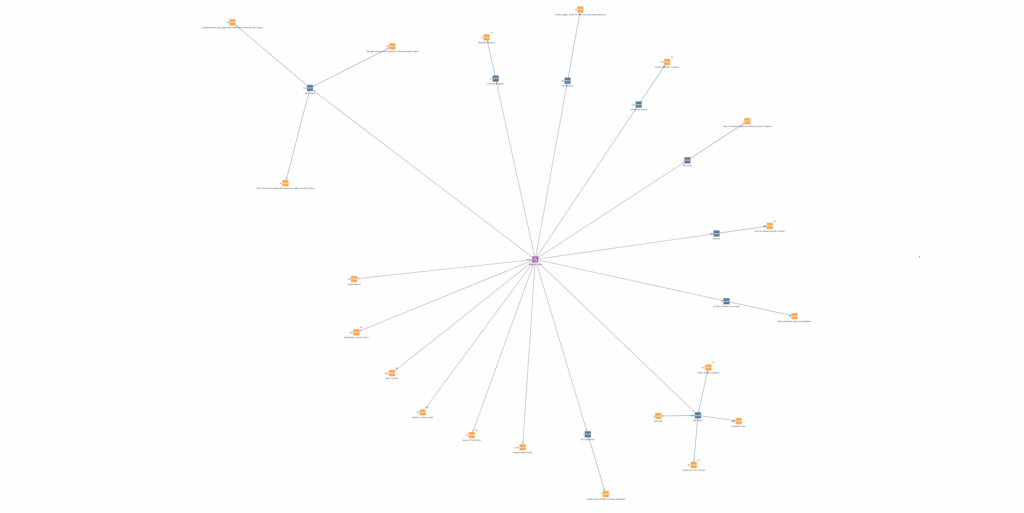
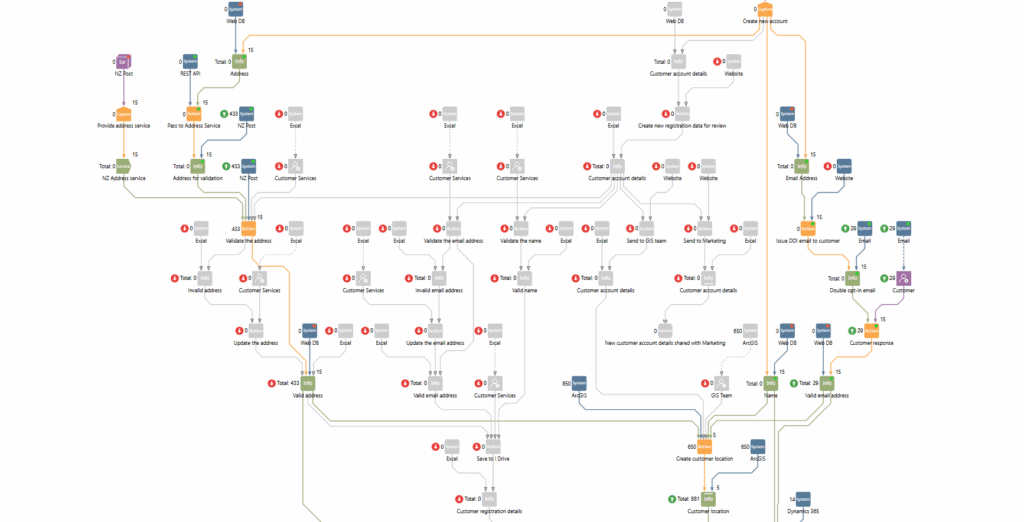
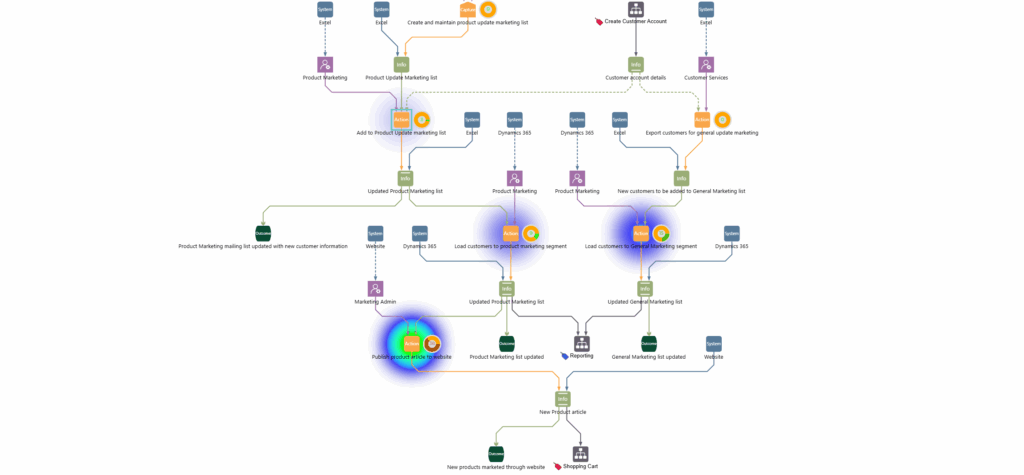
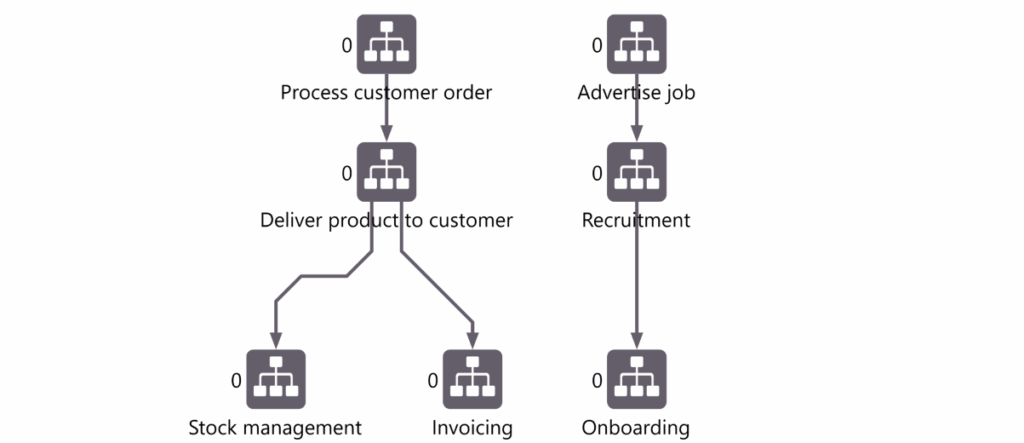
Map how information and value flows through each step every process within your business. Reveal inefficiencies and opportunities for improvement.
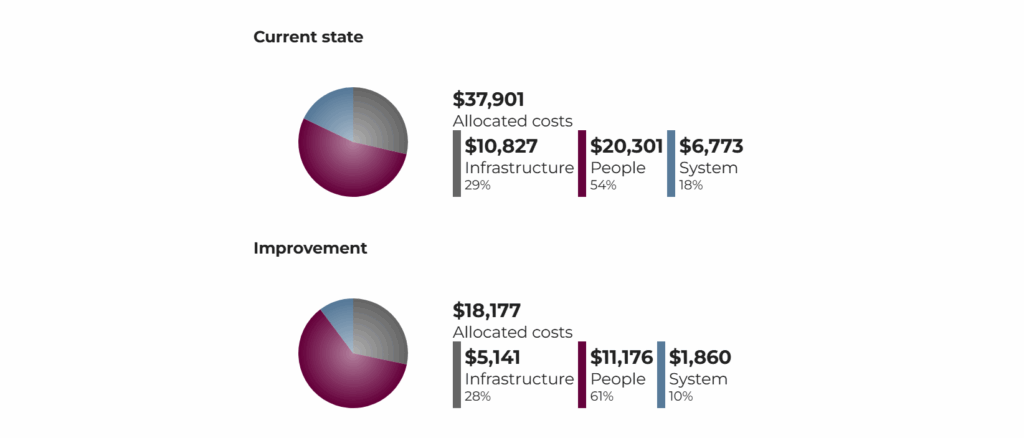
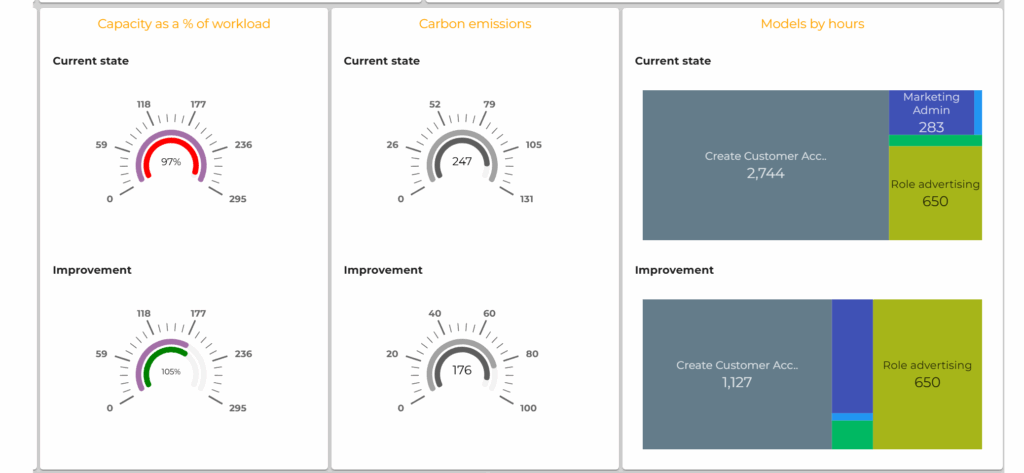
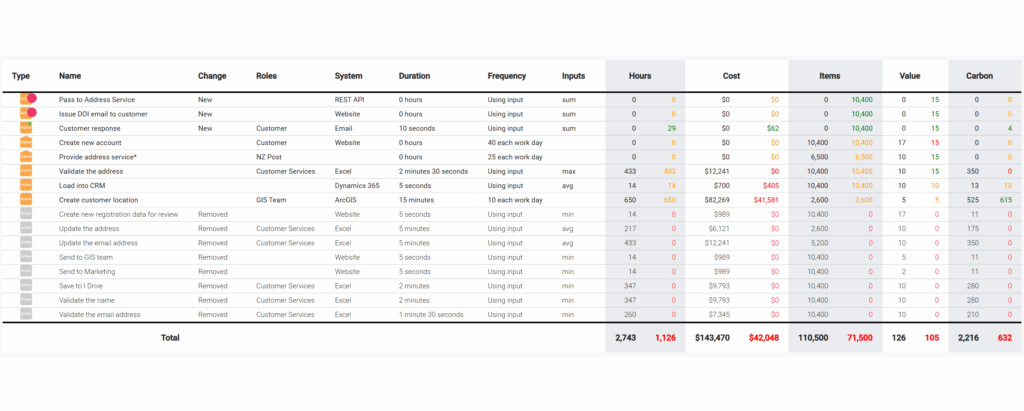
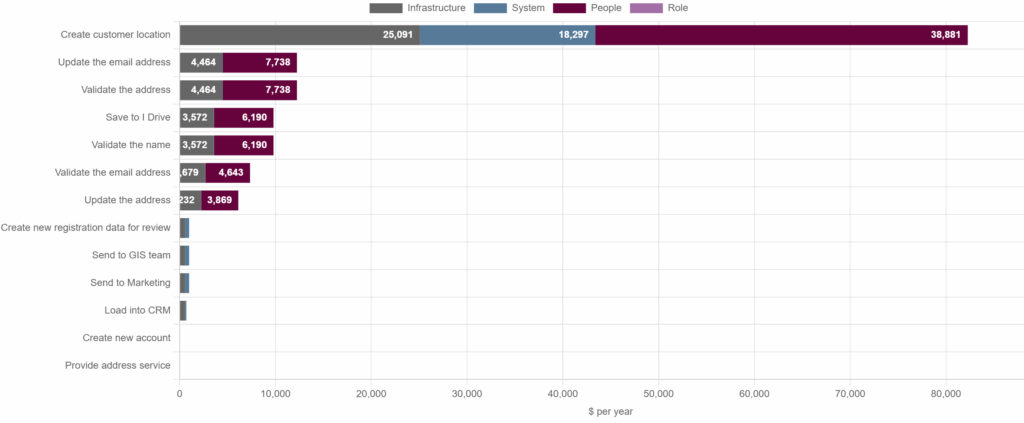
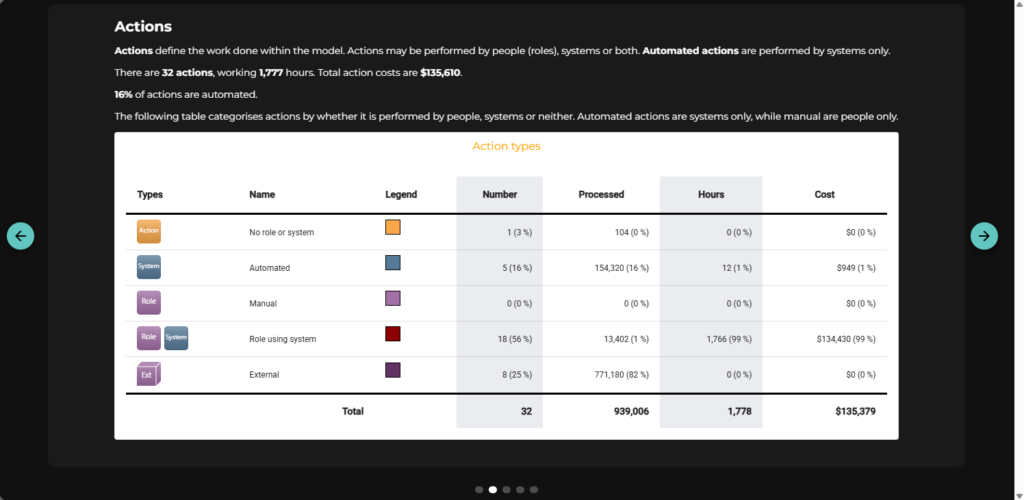
Quickly and clearly highlight inefficiencies, bottlenecks, and risks. Gain actionable insights by visualising how potential changes to processes or resource allocation will impact the business before taking action.
Simulate changes and test a variety of options and changes before deploying valuable resources.
Execute changes with confidence up to 10x faster, ensuring your investment is driven by intelligent, high-impact decision making — not hope or guesswork.
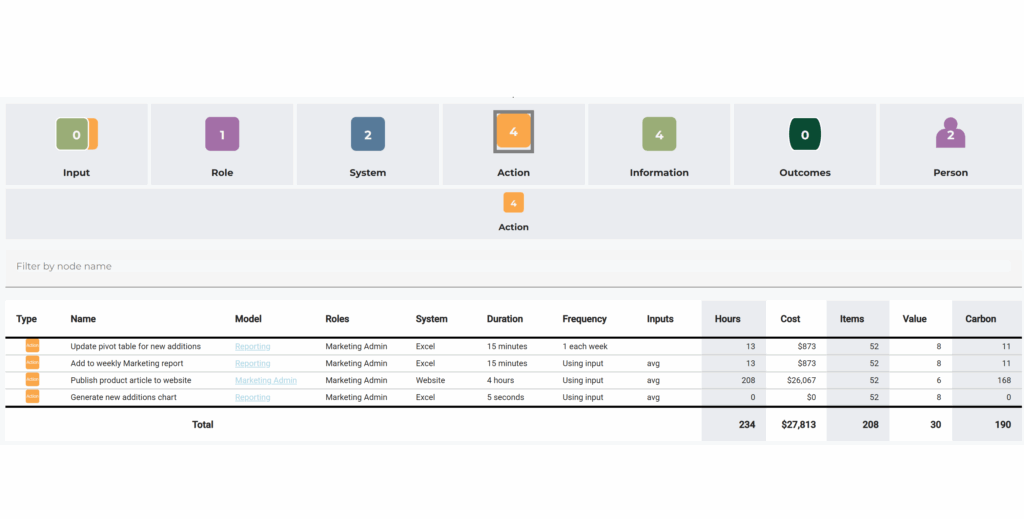
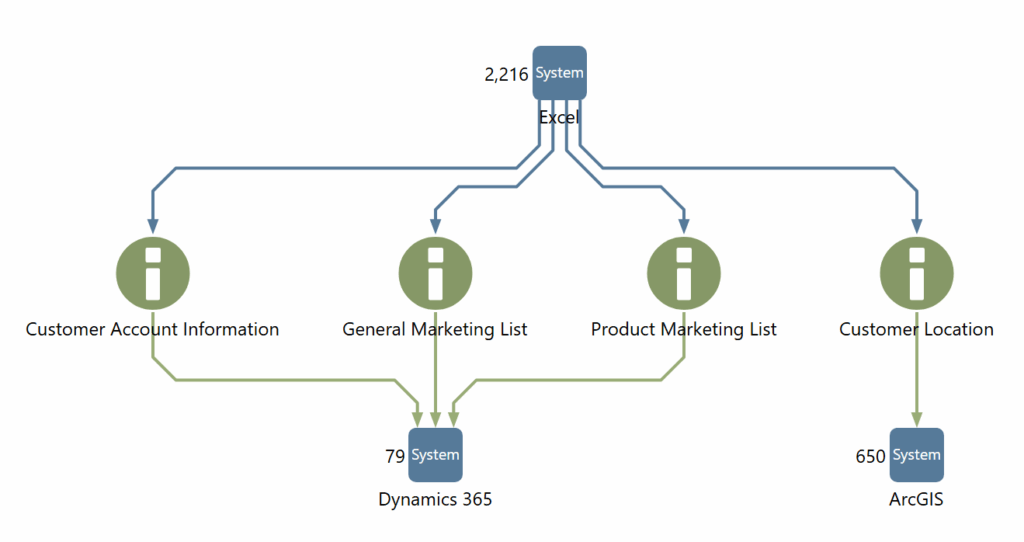
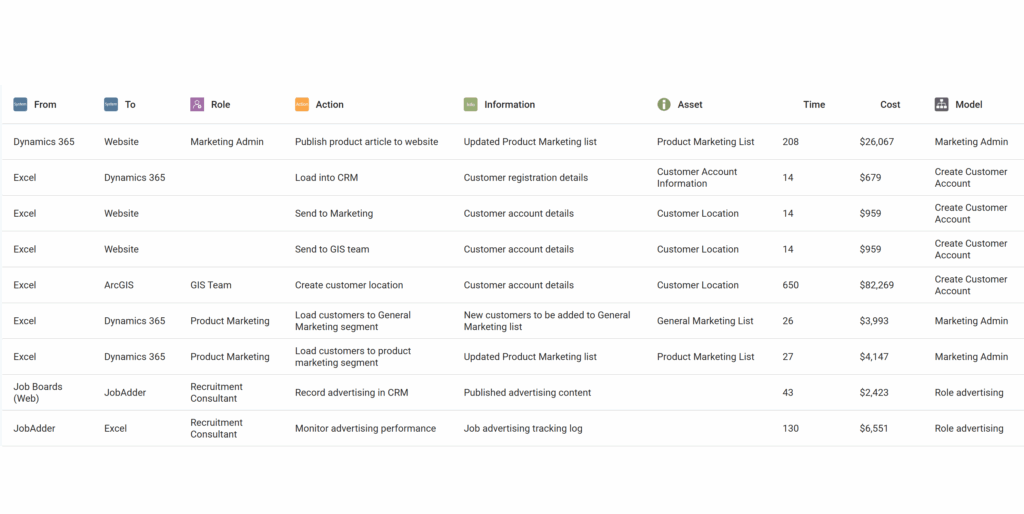
Visualise the full journey of data throughout your organisation and assign value to each step of every process.
Simplify complex data flows and operations, making it easy for everyone on the team to understand and collaborate.
Get immediate insights into how data flows enabling informed, on the spot decision making.
LINQ supports transformation efforts with a comprehensive overview that drives efficiency and growth.
Turn insights into action by quickly identifying and resolving inefficiencies to drive real business results in record time.
Reduce uncertainty by simulating changes that facilitates faster, more effective decision-making.
Support ongoing improvement by adjusting models to reflect changes to ensure that strategies remain relevant and are executed with precision.
Quantify and manage risk by visualising the impact of potential changes within a simulated environment.
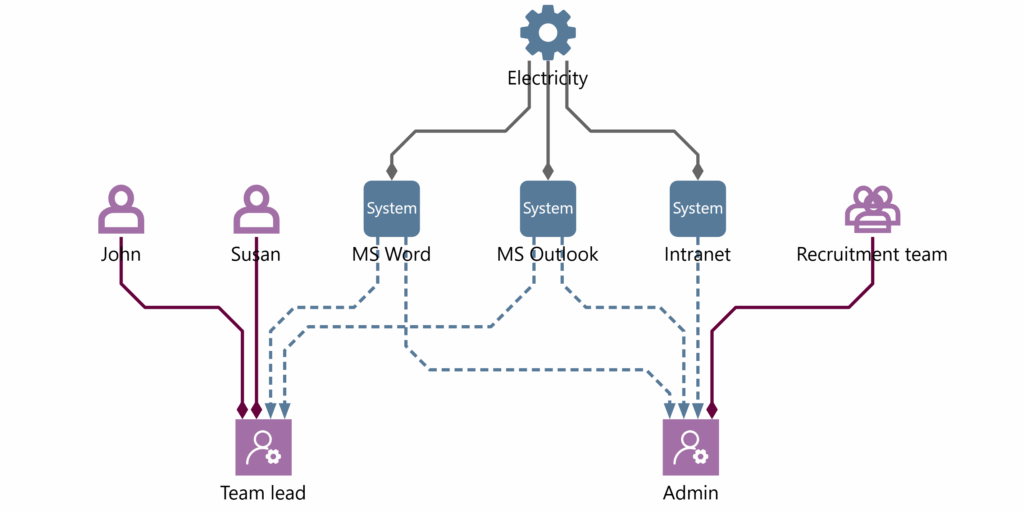
Clearly illustrate how roles and decisions impact broader business outcomes to help increase engagement and collective accountability in transformation initiatives.
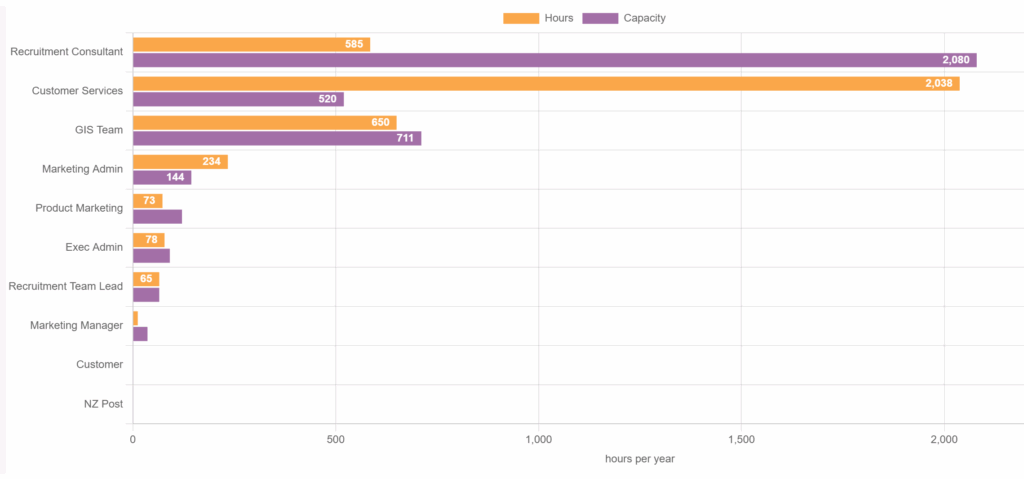
Identify inefficiencies and under utilised assets to achieve strategic alignment of business objectives with operational capabilities to ensure that resources are optimally allocated for maximum return on investment.
Reduce the reliance on assumptions by simulating future states and assessing the potential returns of proposed changes that enables more accurate forecasting and planning.
Create value for customers, shareholders and employees by aligning changes with the needs and contributions of stakeholders.
Speeding up the innovation cycle by swiftly respond to changes to provide a clear understanding of how adjustments will affect operations and outcomes.